




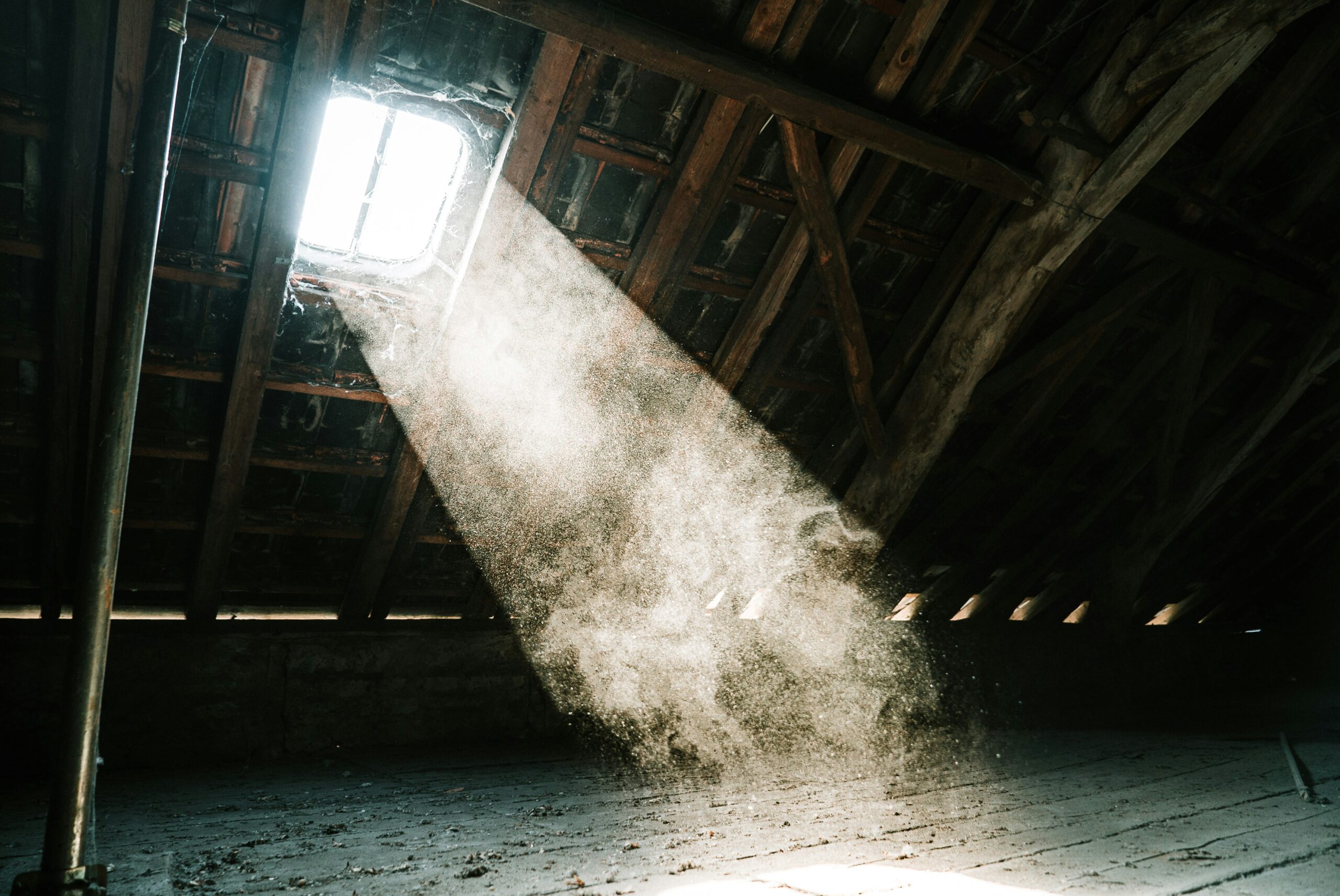
Most homeowners never go into their attic. It’s out of sight, so it stays out of mind. But your attic plays a big role in how your home performs. Attic ventilation in Minnesota affects your heating bills, your comfort, and even how long your roof lasts.
This guide explains how ventilation and insulation work together. You’ll learn the warning signs of attic problems and why a professional look is worth it.
Why Your Attic Matters More Than You Think in a Minnesota Winter
Your attic sits between your living space and your roof. In winter, it has a tough job. It has to keep heat inside your home while keeping the roof cold and dry.
When that balance breaks down, problems follow. Warm air escapes into the attic and carries moisture with it. The roof warms unevenly, and snow melts and refreezes. Moisture builds up in the wood and insulation.
Minnesota’s long, cold winters make this worse. A small attic problem in a mild climate can become a big one here. That’s why it pays to check your attic before deep winter sets in.
How Attic Ventilation and Insulation Work Together
Think of insulation and ventilation as a team. They do different jobs, but they need each other.
Insulation slows heat from leaving your living space. It keeps your home warmer and cuts energy waste.
Ventilation lets fresh air move through the attic. It carries out moisture and keeps the roof deck closer to outdoor temperature.
If you have plenty of insulation but poor ventilation, moisture can get trapped. If you have good ventilation but thin insulation, heat still leaks up. You need both to work properly. Air sealing around lights, vents, and the attic hatch matters too, because it stops warm air from slipping in.
The U.S. Department of Energy offers general guidance on insulation and air sealing. Exact needs vary by home, so a professional should look at yours.
Signs of Poor Attic Ventilation
Poor ventilation can be hard to spot from inside your living space. Look for these signs:
- Frost or damp spots on the underside of the roof deck in winter
- Musty smells or visible mold in the attic
- Ice dams or heavy icicles along the roof edge
- Shingles that curl, crack, or wear out early
- Rusty nails or damp-looking insulation
- Rooms that feel stuffy or humid
One sign alone doesn’t prove there’s a problem. But several together are a strong hint. If you see them, it’s time for an inspection.
Signs Your Attic Needs More Insulation
Thin or damaged insulation lets your heat escape. Here’s what to watch for:
- High heating bills that keep rising
- Rooms that stay cold even when the heat is on
- Uneven temperatures from room to room
- Snow that melts quickly in patches on the roof
- Insulation that looks flat, damp, or full of gaps
- Drafts coming from the attic hatch or ceiling fixtures
Insulation can settle or get wet over time. Pests can also disturb it. If your insulation looks thin or uneven, it may not be doing its job.
How Attic Problems Shorten Your Roof’s Lifespan
Your roof and attic work as one system. When the attic struggles, the roof pays the price.
Trapped moisture can rot the roof deck and rafters. Uneven heat can melt snow from below and create ice dams. Those ice dams push water under shingles and cause leaks. Excess heat in summer can also bake shingles from underneath and wear them out faster.
The result is a roof that ages faster than it should. You might replace shingles earlier than expected, or face repairs that keep coming back. Fixing the attic can protect the roof you already have.
Moisture, Frost, and Mold: What Hidden Attic Problems Look Like
Moisture is the biggest threat in an attic. It often starts small and grows quietly.
In winter, warm, humid air from your home rises into the attic. When it hits the cold roof deck, it can condense or freeze. That’s how you get frost on the wood. When it warms up, the frost melts and soaks into insulation and framing.
Over time, this can cause:
- Stained or soft wood
- Mold and mildew
- Wet, compressed insulation that works poorly
- Rust on nails and metal parts
Mold can also affect your indoor air. If you see signs of it, don’t ignore them. Get a professional opinion before the problem spreads.
Types of Attic Vents (Soffit, Ridge, Gable)
Attic ventilation depends on air moving in and out. Different vents handle different parts of that job.
- Soffit vents sit under the roof overhang. They let fresh air into the attic.
- Ridge vents run along the peak of the roof. They let warm, moist air escape.
- Gable vents are on the end walls of the attic. They can add airflow in some designs.
The best setup depends on your roof’s shape and design. Vents also need clear paths. Insulation or debris can block soffit vents, which cuts airflow. A well-planned system moves air steadily from low to high.
Why You Shouldn’t Fix Attic Problems Without a Professional Look
It’s tempting to add insulation or install a vent on your own. But attic problems are tricky. A fix in one spot can cause trouble in another.
For example, extra insulation can block soffit vents if it’s packed wrong. Adding a new vent without a plan can disrupt airflow. And the real cause of a problem may be somewhere else, like a roof leak or a bathroom fan venting into the attic.
Attics can also be unsafe to work in. Beams, nails, and weak flooring create hazards. A professional can check airflow, insulation, and roof condition together. That way you fix the cause, not just the symptom.
How a Roof and Attic Inspection Can Save You Money
A professional inspection looks at the whole picture. It checks your roof, vents, insulation, and signs of moisture. You get a clear idea of what’s working and what isn’t.
That can save money in a few ways:
- Lower energy bills from better insulation and air sealing
- A longer roof life by preventing moisture and heat damage
- Fewer surprise repairs from hidden leaks or rot
- Peace of mind going into winter
Patriot Homes offers a free roof inspection with honest, no-pressure advice. If your roof needs work, we’ll explain why. If it doesn’t, we’ll tell you that too. The International Association of Certified Home Inspectors also offers homeowner resources if you’d like to learn more.
Ready to find out what’s going on above your head? Contact Patriot Homes to schedule your free inspection.
Frequently Asked Questions
Why is attic ventilation important in Minnesota?
It removes moisture and helps keep the roof deck cold and dry in winter. Good ventilation protects your roof, reduces ice dam risk, and prevents mold.
How do I know if my attic has poor ventilation?
Look for frost on the roof deck, musty smells, mold, ice dams, and shingles that wear out early. Several signs together point to a problem.
Can bad attic ventilation cause ice dams?
It can contribute. Uneven roof temperatures cause snow to melt and refreeze at the edge. Heat loss from the home is a major factor too, so insulation and air sealing matter.
How do I know if I need more attic insulation?
Rising heating bills, cold rooms, uneven temperatures, and thin or damp insulation are common signs. An inspection can confirm it.
Can poor attic ventilation shorten my roof’s life?
Yes. Trapped moisture can rot wood and damage shingles from below. Heat buildup can also wear out shingles early.