


If you’ve lived in Minnesota through even one hailstorm season, you already know what happens next: unfamiliar trucks show up in your neighborhood, door knockers appear on your porch, and flyers promising “free roof inspections” fill your mailbox. Some of these companies are legitimate. Many are not.
Choosing the right roofing contractor isn’t just about price or how fast someone can show up. It’s about protecting one of the largest investments you’ll ever make—your home. This guide walks you through exactly what to look for, what to avoid, and how to make sure the company you hire will still be around if something goes wrong.
Why So Many Contractors Show Up in Minnesota After a Storm
Minnesota’s hail and wind events are notorious, and roofing companies know it. After a major storm rolls through the Twin Cities or greater Minnesota, it’s common to see an influx of contractors—some local, many from out of state—canvassing neighborhoods for work.
This isn’t inherently a red flag. Storm damage restoration is a real and necessary service, and legitimate local companies do increase outreach after severe weather. The problem arises when out-of-town crews follow the storm circuit from state to state, sign contracts quickly, complete rushed or subpar work, and then disappear before problems surface.
What Are “Storm Chasers” and Why They’re a Risk to Homeowners
“Storm chasers” is the industry term for roofing crews that travel from region to region chasing hail and wind events, rather than operating as an established local business. They often:
- Set up a temporary local phone number or P.O. box
- Pressure homeowners to sign contracts on the spot
- Ask for large upfront deposits before any work begins
- Use subcontractors with little oversight or accountability
- Leave the area once the storm season ends—along with any warranty promises
The risk isn’t just poor workmanship. If a storm chaser disappears, you may have no one to call for warranty repairs, no local business license to reference, and no easy way to hold them accountable if the insurance paperwork was mishandled. The Better Business Bureau publishes helpful warning signs homeowners can use to spot storm chaser scams before signing anything.
Red Flags: Signs You’re Dealing With an Unreliable Contractor
Before signing anything, watch for these warning signs:
- No permanent local address or verifiable business history. A quick search should show an established presence in Minnesota, not just a P.O. box.
- High-pressure sales tactics. Reputable contractors give you time to review contracts and compare options—they don’t demand a signature during the first visit.
- Requests for full payment upfront. Legitimate companies typically work on a payment schedule tied to project milestones.
- Vague or missing documentation. Be cautious of contractors who won’t provide written estimates, contracts, or proof of licensing and insurance.
- “Too good to be true” insurance promises. Be wary of any contractor who guarantees your insurance will cover 100% of costs before an adjuster has even inspected the damage, or who offers to waive your deductible—this is illegal in many cases and a common scam tactic.
- Unmarked vehicles and no references. Established companies have local reviews, past customers, and a visible presence in the community.
Insurance fraud tied to roofing scams is a real and growing problem nationally. The National Insurance Crime Bureau offers additional guidance on recognizing contractor fraud tactics tied to storm damage claims.
Questions Every Homeowner Should Ask Before Signing a Contract
Before you commit to any roofing company, ask:
- Are you licensed and insured in Minnesota? Can you provide proof?
- How long has your company operated in this area?
- Can I see reviews or speak with recent local customers?
- What does your warranty cover, and for how long?
- Will you provide a written, itemized estimate before work begins?
- How do you handle the insurance claims process if my damage is storm-related?
- Who will be on-site supervising the work, and are subcontractors used?
A contractor with nothing to hide will answer these questions clearly and without hesitation.
Why Local, Licensed, and Insured Matters
Hiring a licensed and insured Minnesota contractor protects you in several important ways. Licensing confirms the company meets state requirements for construction work. Insurance protects you from liability if a worker is injured on your property. And a local business address means there’s a physical location and reputation on the line—not just a phone number that stops working after the season ends.
Local contractors are also more familiar with Minnesota building codes, permitting requirements, and the specific climate challenges—like ice dams, freeze-thaw cycles, and hail intensity—that affect how a roof should be installed and maintained here. You can verify a contractor’s license status directly through the Minnesota Department of Commerce before signing any agreement.
The Value of Working With a Veteran-Owned, Locally Established Company
Beyond licensing and insurance, there’s real value in working with a company whose ownership reflects the values you expect: discipline, integrity, and accountability. A veteran-owned business built its reputation the same way it was trained—through commitment, honesty, and follow-through.
At Patriot Homes, being veteran-owned isn’t a marketing label. It shapes how we operate: honest assessments, no high-pressure sales tactics, and a straightforward commitment to doing the job right the first time. We’re not chasing storms from state to state—we live here, work here, and stand behind every roof we install.
What a Trustworthy Inspection and Estimate Should Look Like
A proper roof inspection should be thorough, not rushed. Expect a trustworthy contractor to:
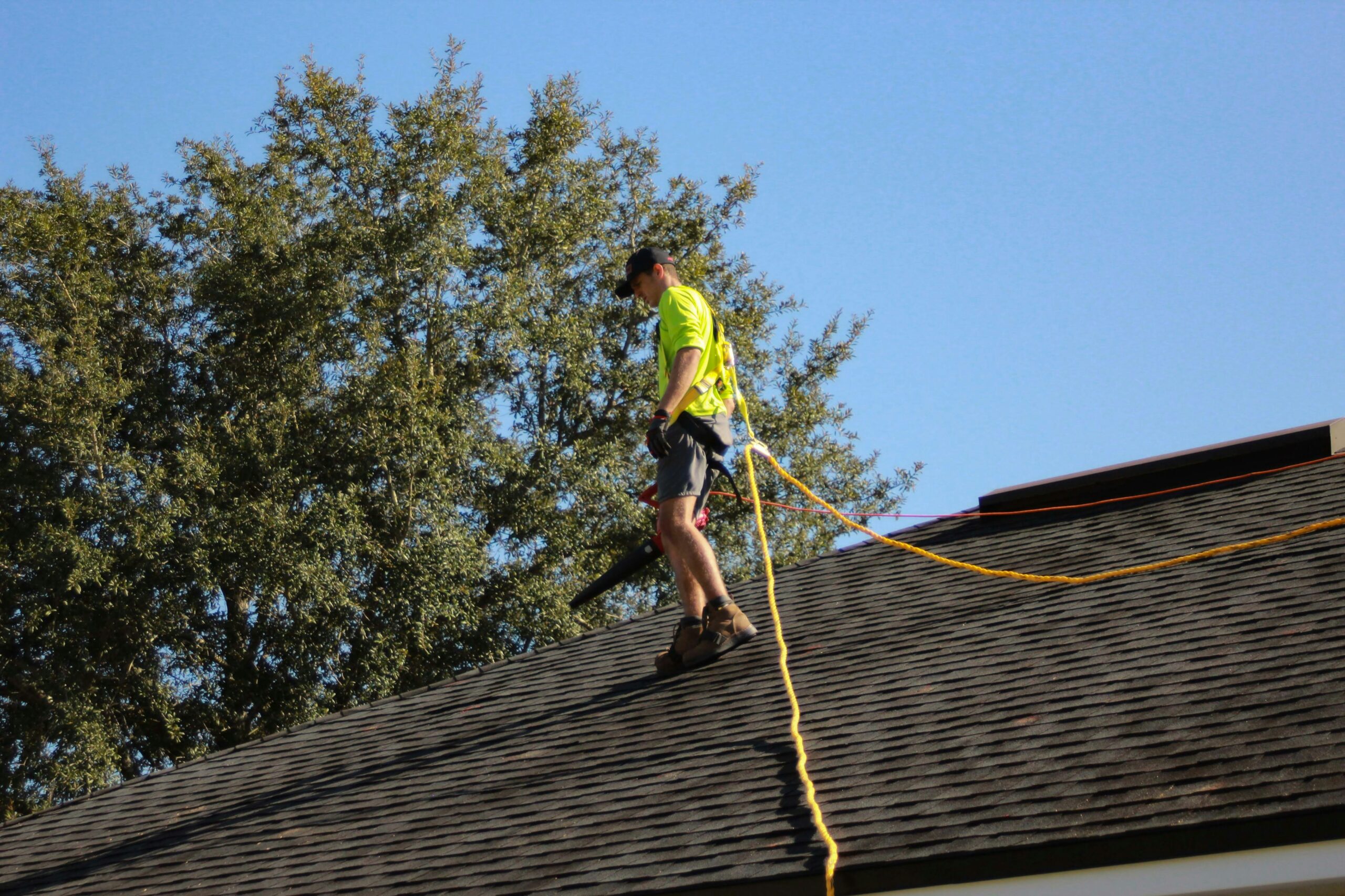
- Physically inspect the roof (not just glance at it from the ground)
- Document damage with photos
- Explain findings in plain language, including what is and isn’t urgent
- Provide a detailed written estimate with material and labor costs broken out
- Answer questions honestly, even if the answer is “your roof doesn’t need replacing yet”
If a company pressures you toward replacement without clear evidence of damage, that’s a sign to get a second opinion.
How Patriot Homes Stands Apart From Fly-By-Night Roofers
Patriot Homes is locally owned and operated, serving the Twin Cities and surrounding Minnesota communities year-round—not just during storm season. Our approach is built on:
- Free, honest inspections with no pressure to buy
- Licensed, insured, and locally accountable work
- Direct experience navigating insurance claims for storm damage
- Transparent, itemized estimates before any work begins
- A veteran-owned commitment to integrity and craftsmanship
When you choose Patriot Homes, you’re choosing a company that will still be here next year, next storm season, and beyond—ready to stand behind our work, whether you need a roof replacement or help navigating a storm damage insurance claim.
Have questions about a contractor you’re considering, or want a free second opinion first? Contact Patriot Homes for a no-pressure inspection.
Frequently Asked Questions
How do I know if a roofing contractor is legitimate in Minnesota?
Check for a verifiable local address, active business history, proper licensing and insurance, and genuine local customer reviews. Legitimate contractors are transparent about all of this from the first conversation.
What is a storm chaser roofing company?
A storm chaser is a roofing crew that travels between regions following severe weather events, rather than operating as an established local business. They often disappear after the season ends, leaving homeowners without recourse for warranty issues.
Should I be worried if a contractor asks for full payment upfront?
Yes. Reputable contractors typically use a payment schedule tied to project milestones, not full payment before work begins.
Can a contractor legally waive my insurance deductible?
No. Waiving or advertising to waive a homeowner’s insurance deductible is illegal in many states, including Minnesota. Contractors who offer this should be treated as a red flag.
How long should a roof inspection take?
A thorough inspection typically takes 20–45 minutes depending on roof size and damage complexity, and should include physical examination of the roof surface, not just a visual assessment from the ground.