




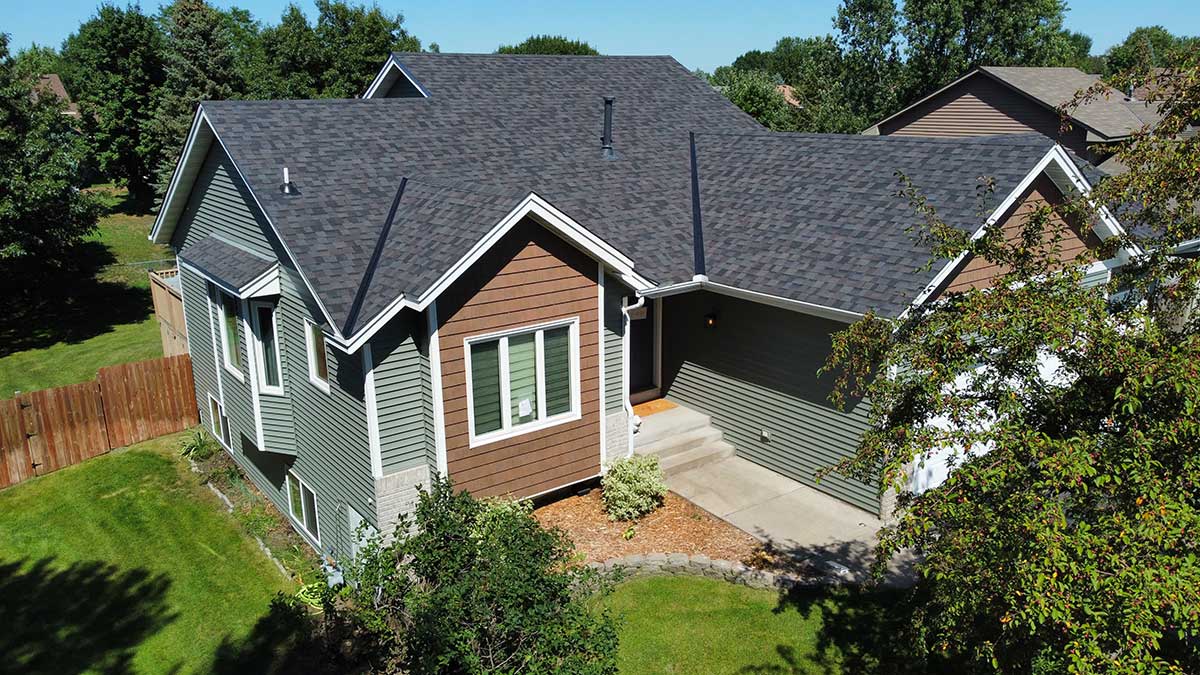
Minnesota homeowners deal with some of the toughest weather conditions in the country—freezing winters, heavy snow loads, hailstorms, humidity, and intense summer sun. All of that takes a toll on your home’s exterior.
If you’re wondering how long your roof, siding, or windows should last—and when it’s time to repair or replace—you’re not alone. Understanding realistic lifespans helps you plan ahead, protect your investment, and avoid costly surprises.
In this guide, we’ll break down the real lifespan of roofing, siding, and windows in Minnesota, what affects durability, and how to tell when it’s time to take action.
Why Exterior Lifespans Are Different in Minnesota
Not all climates are created equal. In Minnesota, exterior materials face:
- Freeze-thaw cycles that expand and contract materials
- Heavy snow and ice buildup that stress roofing systems
- Hail and windstorms that cause sudden damage
- Humidity and summer heat that lead to warping and wear
Because of this, products often wear out faster here than national averages suggest. That’s why working with a local contractor like Patriot Homes MN is key to making the right decisions.
Roof Lifespan in Minnesota
Average Roof Lifespans by Material
Your roof takes the biggest beating from Minnesota weather. Here’s what you can realistically expect:
- Asphalt shingles (most common): 15–25 years
- Architectural shingles: 20–30 years
- Metal roofing: 40–70 years
- Cedar shake: 20–30 years (with maintenance)
According to the National Association of Home Builders, asphalt shingles can last up to 30 years—but in Minnesota, harsh conditions often shorten that range.
What Shortens Roof Lifespan in Minnesota?
- Ice dams forming along roof edges
- Poor attic ventilation causing moisture buildup
- Storm damage (hail, wind, debris)
- Improper installation
Signs It’s Time to Replace Your Roof
- Curling, cracking, or missing shingles
- Granules collecting in gutters
- Water stains or leaks inside your home
- Sagging or uneven roof lines
- Frequent repairs after storms
If you’re seeing these issues, it may be time to explore a professional roof inspection.
Siding Lifespan in Minnesota
Average Siding Lifespans
Your siding protects your home from moisture, wind, and temperature swings:
- Vinyl siding: 20–40 years
- Fiber cement: 30–50 years
- Engineered wood: 20–30 years
- Natural wood siding: 15–25 years
Fiber cement tends to perform best in Minnesota due to its durability.
What Impacts Siding Durability?
- Moisture intrusion from snow and rain
- UV exposure weakening materials
- Improper installation
- Lack of maintenance
Signs Your Siding Needs Replacement
- Warping, cracking, or bubbling
- Mold, mildew, or rot
- Faded or uneven color
- Increased energy bills
- Loose or missing panels
Window Lifespan in Minnesota
How Long Do Windows Last?
- Standard double-pane windows: 15–25 years
- High-quality vinyl or fiberglass: 20–40 years
- Wood windows: 15–30 years
Why Windows Fail Faster in Cold Climates
- Seal failure from temperature swings
- Condensation between panes
- Frame expansion and contraction
- Air leaks from worn seals
Signs It’s Time to Replace Your Windows
- Drafts near windows
- Fog between glass panes
- Difficulty opening or closing
- Rising energy costs
- Increased outside noise
How to Extend the Life of Your Home’s Exterior
Simple Ways to Maximize Lifespan
- Schedule annual inspections
- Clean gutters regularly
- Fix small issues early
- Maintain proper ventilation
- Wash siding to prevent buildup
For additional homeowner guidance, see resources from the International Association of Certified Home Inspectors.
Repair vs. Replace: How to Decide
Replace if:
- System is near end of lifespan
- Repairs are frequent
- Energy efficiency is declining
- Damage is widespread
Repair if:
- Issues are minor
- Materials are still relatively new
- No structural damage exists
Why Local Experience Matters
Minnesota homes require specialized expertise. Patriot Homes MN understands local weather challenges and installs systems built to last.
Frequently Asked Questions
How long do roofs last in Minnesota?
Typically 15–25 years for asphalt shingles.
What siding lasts the longest?
Fiber cement (30–50 years).
When should I replace windows?
Usually after 15–25 years, especially if efficiency drops.
Protect Your Home with the Right Timing
Your roof, siding, and windows are your home’s first line of defense. Knowing when to replace them helps you avoid costly damage and improve efficiency.
If you’re unsure where your home stands, the next step is simple.